
 Image 1 of 1
Sea Beet | (Beta vulgaris subsp. maritima) | plug plant
Sea Beet (Beta vulgaris subsp. maritima)
You are buying 1 organically grown Sea Beet (Beta vulgaris subsp. maritima) root trainer plug plant.
Please note:
Root trainer plug plants are available year-round. We always aim to process orders within two days, however there may be unavoidable delays in despatch during extreme weather, so please be patient.
Organically and sustainably grown in our forest garden here at Poet’s Acre, located in the heart of 1000 acres of organic farmland and ancient woodland in rural North Norfolk. Plants are grown as part of a sustainable management plan that encourages diversity and resilience. The land here is completely organic, we do not use pesticides or sprays of any kind.
Plant Care
Your Sea Beet plug plant will arrive carefully packaged to prevent damage or drying out. Root trainer plugs encourage strong, deep root growth, giving your plant the best possible start.
On arrival, water the plant if the compost feels dry. You may pot it on into a larger pot for its first year to encourage extra root development before planting in its final position. If planting directly out, choose a sunny spot with fertile, moist but well-drained soil. Dig a hole just larger than the plug, enrich with compost, firm gently, and water thoroughly. Space plants 30–60cm apart.
Sea Beet is a long-lived perennial that dies back in winter and regrows in spring (semi-evergreen in milder conditions). Mulch in autumn to conserve soil fertility. Leaves can be harvested once the plant is well established.
About Sea Beet (Beta vulgaris subsp. maritima)
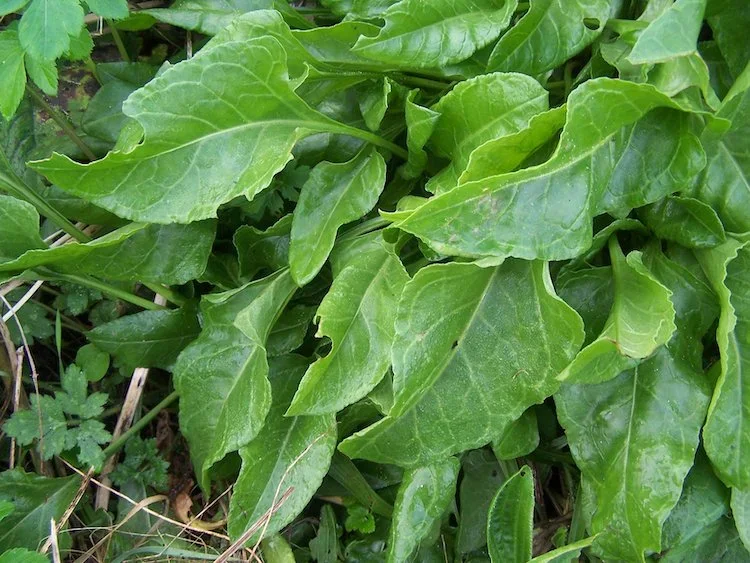
Sea Beet (Beta vulgaris subsp. maritima), also known as wild spinach or sea spinach, is a hardy, clump-forming perennial and the wild ancestor of cultivated beetroot, chard and sugar beet. Reaching 50–120cm tall, it produces edible dark green, glossy, fleshy leaves each year.
Culinary Uses
The young leaves can be eaten raw in salads or cooked like spinach, offering a rich, succulent flavour with a mild salty tang. Older leaves are excellent cooked in soups, stews and other dishes, making this a versatile, traditional perennial vegetable.
Garden Uses
Ideal for herb gardens, forest gardens, coastal gardens, or as a perennial vegetable in mixed borders. Once established it is very low-maintenance, long-lived and tolerant of poorer or slightly saline soils.
Wildlife Uses
The flowers attract pollinating insects, while the dense foliage provides shelter for invertebrates and small animals.
Postage & Packaging
Price includes postage, and we send all our plants by Royal Mail 48 with tracking. We aim to post items within 2 working days of your order, weather permitting. We use as much recycled material for packaging as possible.
About Poet’s Acre
Poet’s Acre is a forest garden project, creating a continuously expanding repository of regionally adapted plants and a haven for wildlife and threatened species of all kinds. Our work is supported by a small family-run nursery growing plants for gardens, forest gardens, food forests, and permaculture projects. Our aim is to grow healthy, chemical-free plants for diversity, resilience, and climate adaptability, encouraging people to connect with the land, themselves, and each other.