You are buying a mixed setlection of 14 organically grown tubers: 3x Mashua (Tropaeolum tuberosum), 3x Oca (Oxalis tuberosa), 3x Jerusalem artichoke (Helianthus tuberosus) and 5x Chinese artichoke (Stachys affinis).
Please note: Tubers are available only from late November through to March. We aim to process orders within two days, however there may be unavoidable delays in despatch during extreme weather, so please be patient.
Organically and sustainably grown in our forest garden here at Poet’s Acre, located in the heart of 1000 acres of organic farmland and ancient woodland in rural North Norfolk. Plants are grown as part of a sustainable management plan that encourages diversity and resilience. The land here is completely organic, we do not use pesticides or sprays of any kind.
Plant Care
Your mixed tubers will arrive carefully packaged to prevent damage or drying out. Store them in a cool, dark, frost-free place until ready to plant.
Plant all tubers in spring after the last frost (typically April–May in the UK). Plant 5–15 cm deep according to size, in fertile, well-drained soil enriched with compost. Mashua and Oca prefer spacing of 30–45 cm and benefit from support as climbers or bushy growers. Jerusalem artichoke and Chinese artichoke are more vigorous and hardy; space Jerusalem artichokes 30 cm apart (they grow tall) and Chinese artichokes around 30 cm apart. Choose sunny or partially shaded positions. Water well after planting and during dry spells.
Harvest from late autumn onwards once foliage dies back. Mashua and Oca benefit from frost before harvest to improve flavour; Jerusalem and Chinese artichokes can be left in the ground through winter and lifted as needed. All can be stored in cool, dark conditions. Smaller tubers may be left in the soil to regrow.
About This Mixed Tuber Set
This selection brings together four productive, low-maintenance tuber crops well suited to forest gardens and polycultures in the UK. Mashua is a vigorous climbing nasturtium relative with peppery tubers; Oca is a colourful Andean crop with tangy, lemony tubers; Jerusalem artichoke (sunchoke) is a tall, hardy perennial sunflower with nutty tubers; and Chinese artichoke (crosne) is a hardy mint-family perennial with crisp, nutty segmented tubers. Together they offer diversity of flavour, habit and season.
Culinary Uses
Mashua tubers are peppery when raw and milder when cooked or after frost. Oca has a crisp, lemony flavour that sweetens with storage or light. Jerusalem artichokes are sweet and nutty, excellent roasted or in soups. Chinese artichokes are crisp and mild, good raw or lightly cooked. All can be roasted, boiled, mashed or added to stews; no peeling is usually required.
Garden Uses
Ideal starter set for forest gardens, permaculture plantings or productive borders. Mashua climbs; Oca forms bushy plants; Jerusalem artichokes provide height and biomass; Chinese artichokes are compact and spreading. Once established they are low-maintenance and productive, supporting diversity and soil health.
Wildlife Uses
Flowers of Mashua, Jerusalem artichoke and Chinese artichoke attract bees and other pollinators. The varied foliage provides shelter for beneficial invertebrates across the season.
Postage & Packaging
Price includes postage, we send all our plants Royal Mail 48 Tracked.
We aim to post items the day after receiving the order or within 2 working days, if the weather is suitable. Please let us know if you haven’t received your order, so we can ensure it gets to you promptly. Contact us for bulk orders. We use as much recycled material as possible for packaging.
About Poet’s Acre
Poet’s Acre is a forest garden project, creating a continuously expanding repository of regionally adapted plants and a haven for wildlife and threatened species of all kinds. Our work is supported by a small family-run nursery growing plants for gardens, forest gardens, food forests, and permaculture projects. Our aim is to grow healthy, chemical-free plants for diversity, resilience, and climate adaptability, encouraging people to connect with the land, themselves, and each other.

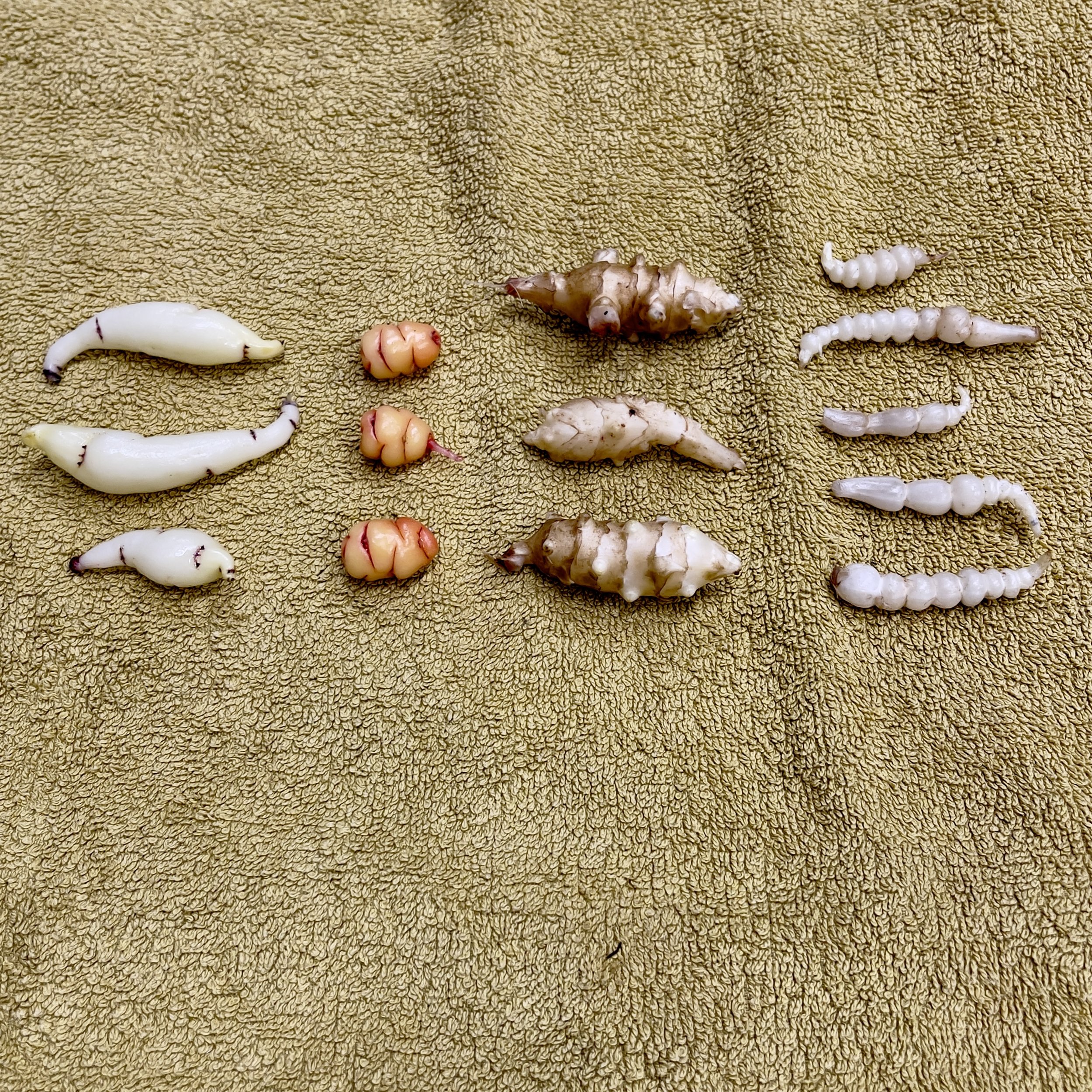 Image 1 of 8
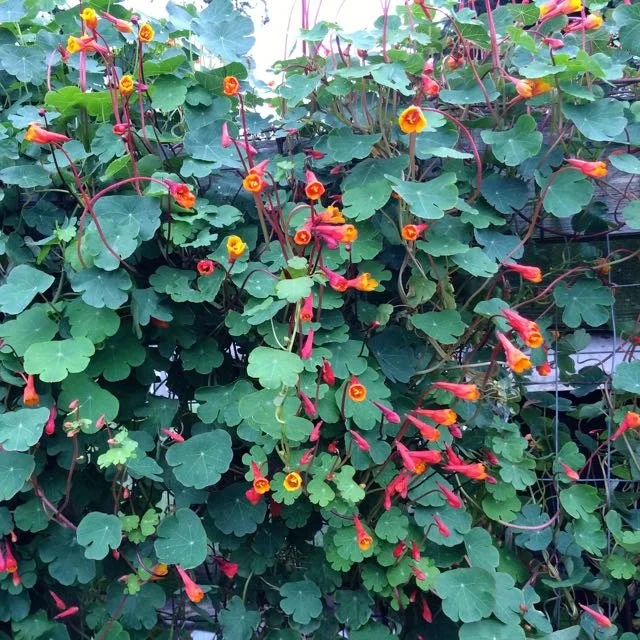 Image 2 of 8
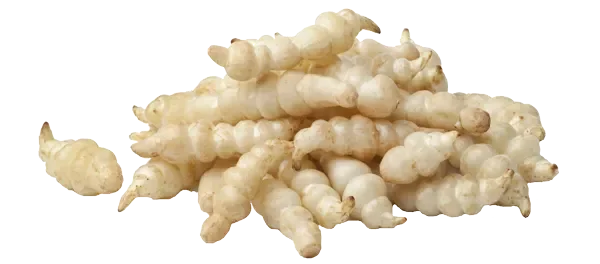 Image 3 of 8
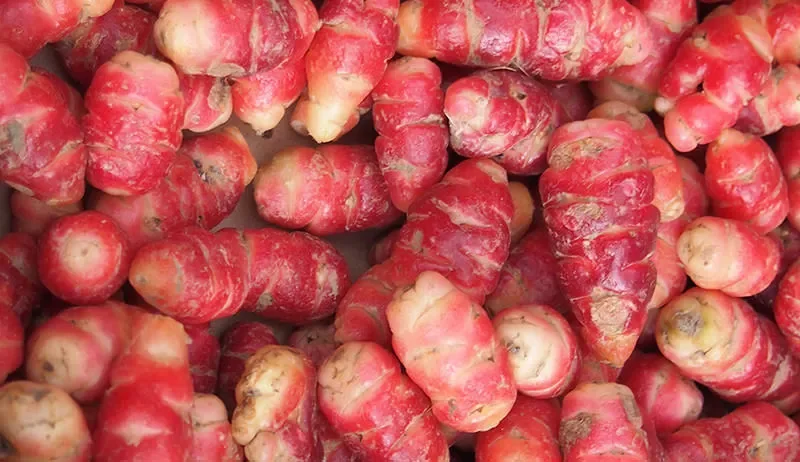 Image 4 of 8
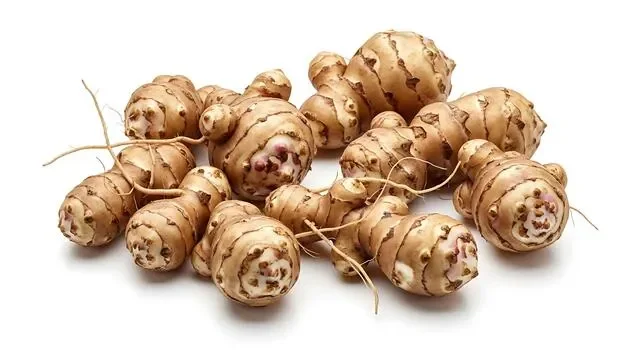 Image 5 of 8
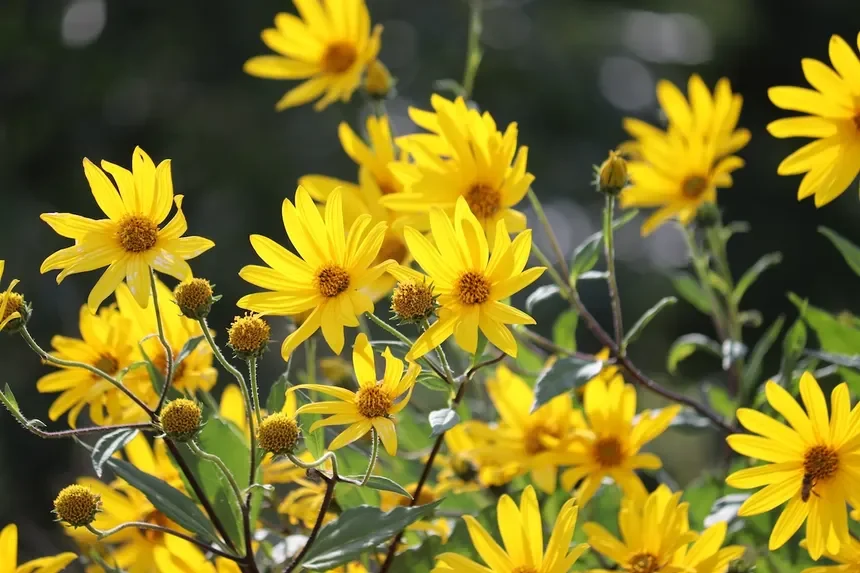 Image 6 of 8
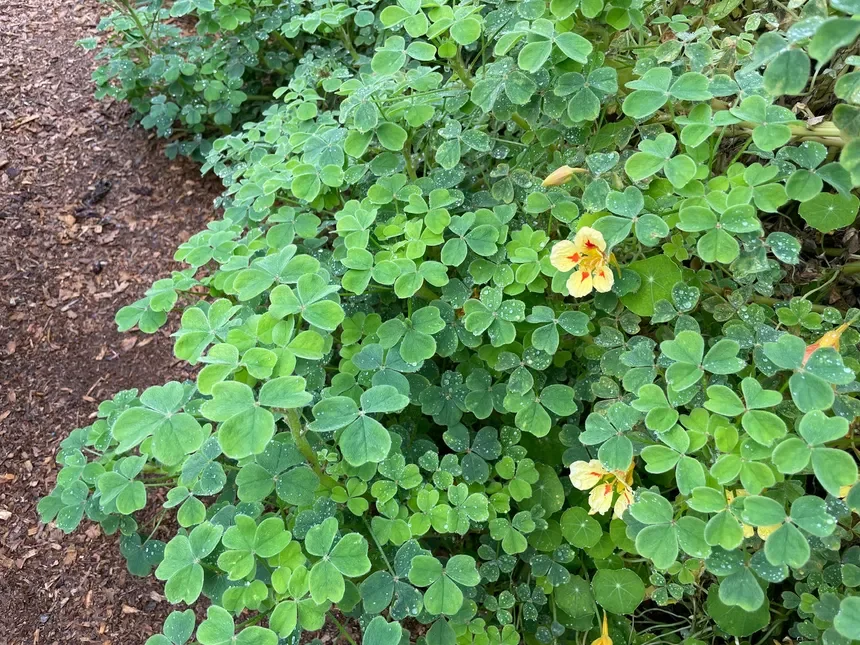 Image 7 of 8
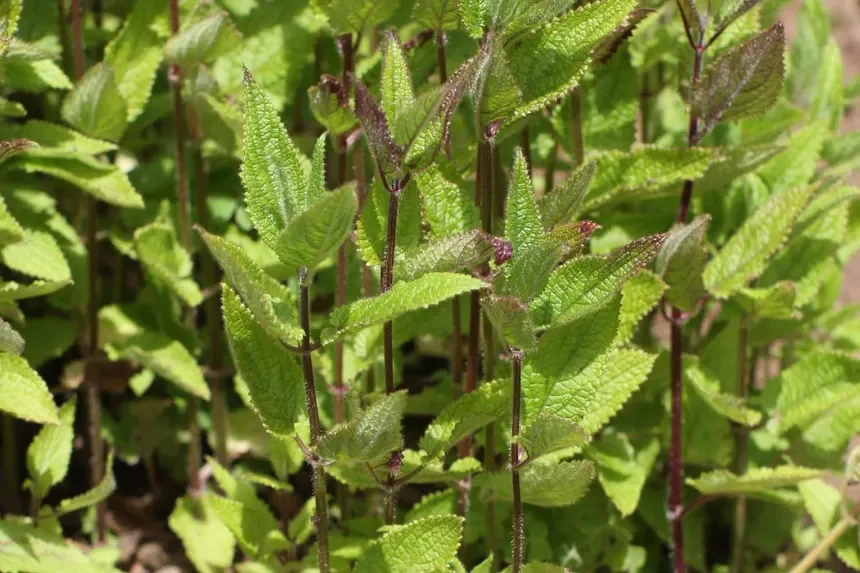 Image 8 of 8